



Cities and places
Cairo: heritage, neighbourhoods and urban life
Explore Cairo beyond the pyramids, with historical heritage, urban life and guidance on combining neighbourhoods and museums without excessive travel.
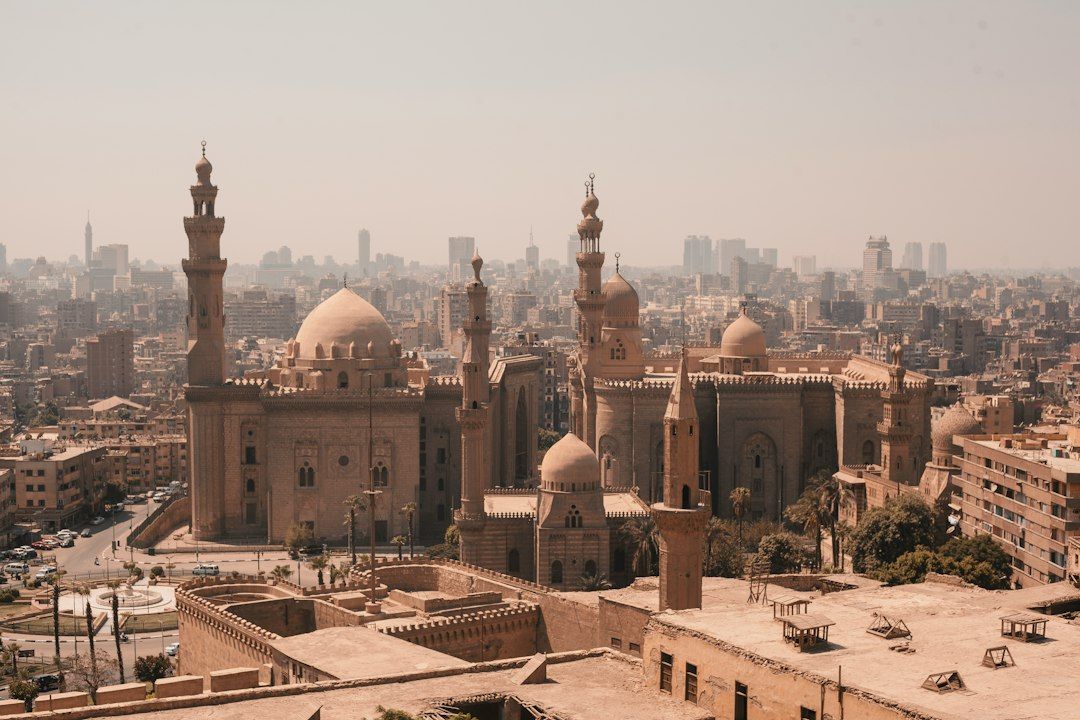
More than a base for visiting Giza
Cairo deserves time of its own. When the city is treated only as an arrival point, a hotel and a departure for the pyramids, the opportunity to discover other histories and experience contemporary Egypt is lost.
The best editorial approach for a first visit is to organise geographical and thematic blocks. Time devoted to urban heritage calls for a different pace from a museum visit; neither needs to be squeezed between a transfer and check-in.
Historic Cairo as a whole
UNESCO recognises Historic Cairo as an important urban heritage area with mosques, madrasas, fountains and other buildings. The city founded in the 10th century became a major centre in the medieval Islamic world.
For visitors, this suggests a change of perspective: observe the relationship between buildings, movement and activities rather than looking only for a famous façade. The experience may include a guided walk, with accessible monuments selected in advance and time to understand their functions.
Do not treat every old building as though it belonged to the same period. Dates, uses and later alterations help reveal differences and avoid a generic narrative of “Islamic Cairo” that erases centuries of transformation.
The lived city
Include a break with no obligation to buy anything. It could be a meal or time to observe urban life in an appropriate place. The specific choice will depend on the route and the day’s conditions, not on a promise of a “secret” experience.
In commercial areas, distinguish between a visit, a demonstration and a purchase. Clarify the price before accepting a service. A shop stop should not be presented as an essential cultural activity if its main purpose is commercial.
Museums and religious heritage
The region’s museums have different focuses, detailed in the dedicated article. For religious heritage, confirm access and expected behaviour at each place; active places of worship may have their own restrictions and opening times.
Choosing fewer visits allows you to compare them better. It is preferable to leave with an understanding of one complex than to pass through many sites without understanding their relationship.
How to organise your days
Group nearby visits and allow time for traffic, meals and rest. Check the exact addresses of the hotel and points of interest before approving the itinerary. “In Cairo” is far too broad an indication to assess convenience.
Separate city planning from your Giza day and avoid assuming that a museum, the pyramids and a historic walk can all be done well in the same period. If time is limited, choose what matters most and keep a reason to return.
Tell Memphis Turismo which aspects of Cairo you would like to discover so we can assess the appropriate time in your itinerary.
Continue exploring
- History of Egypt: beyond the age of the pharaohs
- Culture and daily life in contemporary Egypt
- Giza Pyramids and Sphinx: understand before visiting
- Museums of Cairo and Giza: GEM, Tahrir and NMEC
Itineraries to turn reading into a journey
Compare these options and check the full programme, dates, included services and updated prices on each itinerary’s page.
Classic Egypt: Cairo and a Nile cruise
Explore this itinerary →Essential Egypt: Cairo and a Nile cruise
Explore this itinerary →An attraction featured in the guide is not necessarily included in every programme. Check the itinerary before choosing.
Bring your interests to the journey
Tell our team which places and topics sparked your curiosity. We will assess a route compatible with your available time and preferred pace.
Plan my trip to EgyptEditorial review: 1 October 2026. Official sources are indicated throughout the articles. Opening arrangements, requirements and inclusions must be confirmed for your trip.