



History and heritage
Giza Pyramids and Sphinx: understand before visiting
Understand the Giza complex, distinguish its pyramids and organise a visit with historical context, time to observe and realistic expectations.
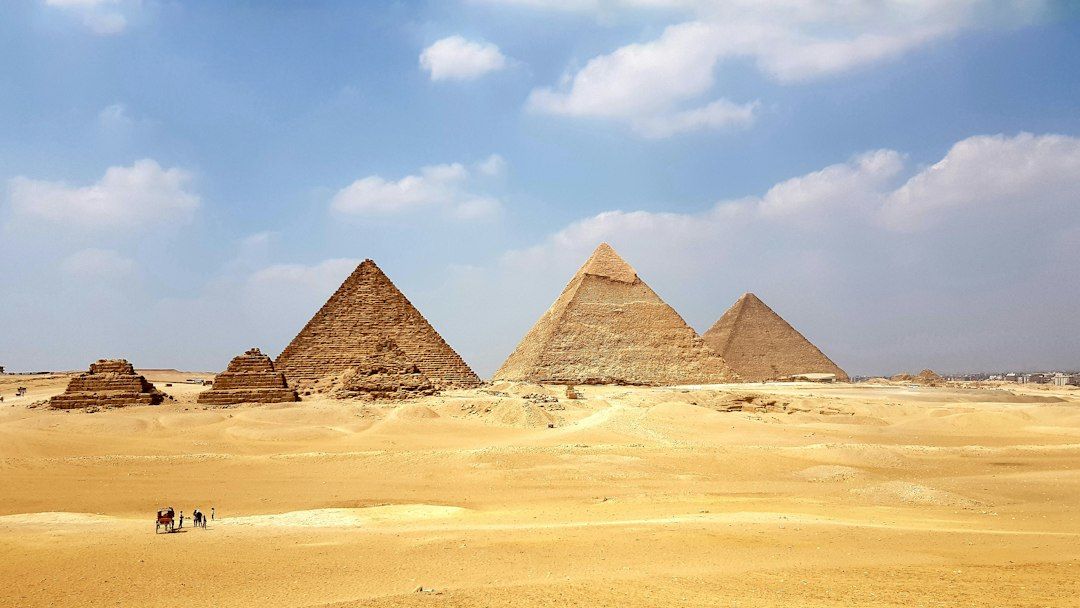
A complex, not three isolated structures
The great pyramids of Giza are associated with Khufu, Khafre and Menkaure, rulers of the Fourth Dynasty. The site forms part of a wider funerary landscape, with other structures and relationships that a panoramic photograph cannot explain. UNESCO presents the funerary complexes from Giza to Dahshur as an interconnected heritage, rather than merely individual monuments.
For a visit, this perspective makes a difference: each pyramid should be observed in relation to its surroundings, not just as a monumental work to photograph. The Sphinx is part of this route, but it too should not replace understanding of the whole with a quick stop.
History before superlatives
Our recommendation is to start by identifying the rulers and the funerary function of the site. Then observe the layout, visible materials and relationships between structures. Height and volume figures may impress, but they are only useful when they help explain construction choices and their scale.
Separate archaeological explanations from promotional stories and unsupported hypotheses. Where there is uncertainty or specialist debate, this should be stated clearly. A good presentation does not need to invent mysteries to make Giza interesting.
Exterior and interior are different experiences
Viewing the exterior and potentially entering a pyramid are not equivalent activities. Before visiting, check which spaces are open, which tickets are sold separately and the physical demands of the route.
Do not assume that a general ticket grants access to all interiors. For anyone who finds confined spaces difficult or has reduced mobility, the plan should be assessed in advance, taking into account the actual layout of the open areas. Not entering a pyramid does not make the visit incomplete.
Time to look and time to rest
A balanced proposal should allow for explanations, observation, photographs, movement within the site and breaks. Ask for a description of accompaniment and included services in the quote. Distinguish transport inside and outside the site and clarify optional charges before accepting them.
Avoid making photographs with animals a requirement of the experience. Any such activity should consider animal welfare, observable conditions and the freedom not to participate.
The most useful next step
Saqqara and Dahshur help broaden your understanding of the pyramids. A museum brings you closer to objects and representations that the site does not present in the same way. These are different complements: choose according to the curiosity sparked, without trying to fit everything into a single day.
Include Giza in your planning and indicate whether you would like an introductory visit or greater archaeological depth.
Continue exploring
- History of Egypt: beyond the age of the pharaohs
- Saqqara and Dahshur: other stories of the pyramids
- Museums of Cairo and Giza: GEM, Tahrir and NMEC
- How to build an Egypt itinerary
Itineraries to turn reading into a journey
Compare these options and check the full programme, dates, included services and updated prices on each itinerary’s page.
Classic Egypt: Cairo and a Nile cruise
Explore this itinerary →Essential Egypt: Cairo and a Nile cruise
Explore this itinerary →An attraction featured in the guide is not necessarily included in every programme. Check the itinerary before choosing.
Bring your interests to the journey
Tell our team which places and topics sparked your curiosity. We will assess a route compatible with your available time and preferred pace.
Plan my trip to EgyptEditorial review: 1 October 2026. Official sources are indicated throughout the articles. Opening arrangements, requirements and inclusions must be confirmed for your trip.