

History and heritage
Iceland’s history: settlement, assemblies and independence
From Þingvellir to Reykjavík’s museums, discover milestones that help interpret the Icelandic landscape and the stories told during the trip.

Settlement and its different sources
Iceland’s settlement history is generally dated to the late 9th century, with the arrival of populations linked mainly to Scandinavia and the British Isles. Medieval accounts, archaeological remains and later studies offer different perspectives on this process.
During visits, it is worth distinguishing an original building, a reconstruction and a museum interpretation. A reconstructed house can explain materials and ways of living, but should not be presented as a building preserved since the time of the first settlers.
Þingvellir and life in assembly
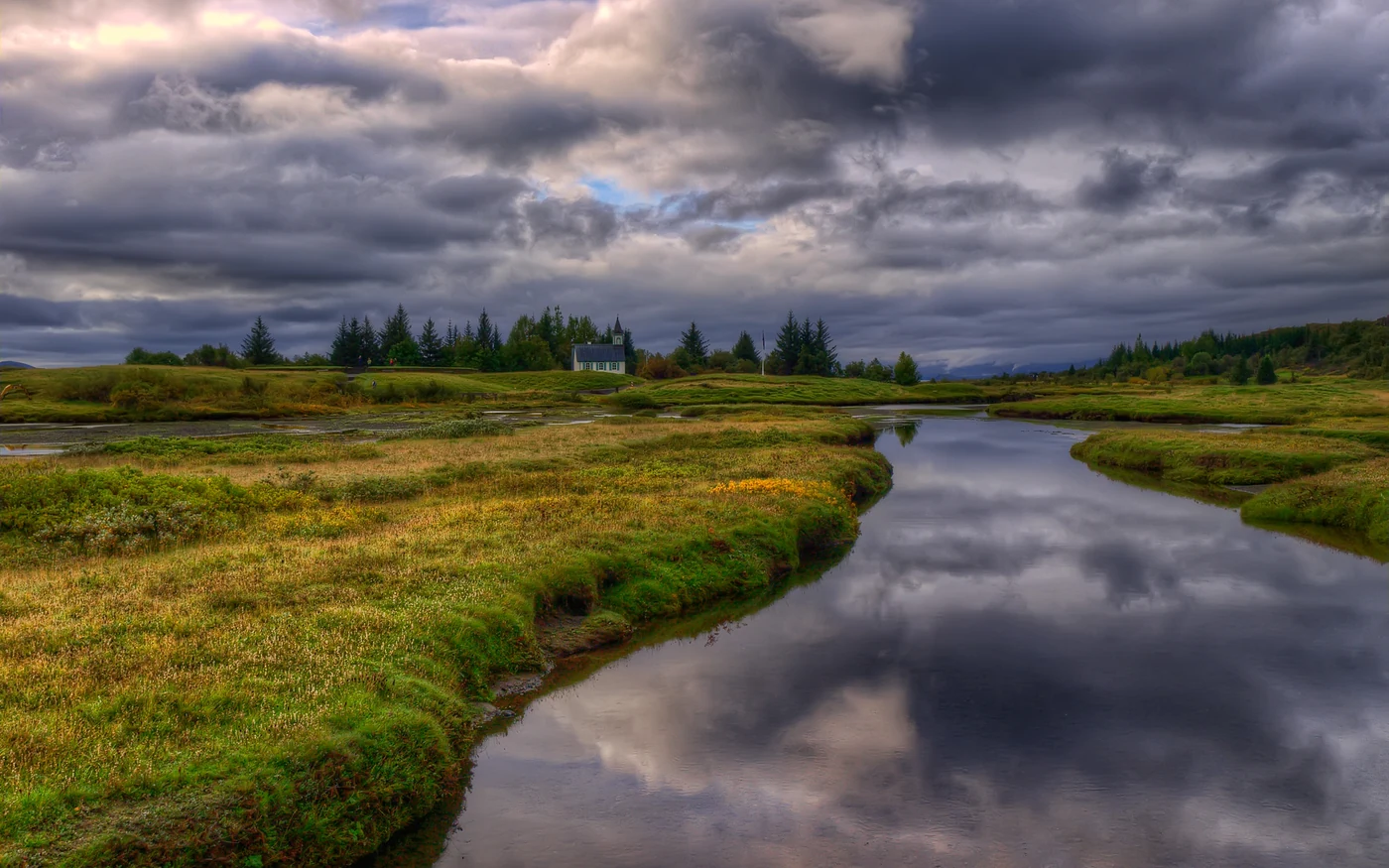
At Þingvellir, the Alþingi was established around 930. The place brings together political memory and a landscape shaped by geological processes. A visit gains meaning when you observe the relationship between the assembly space, the territory and forms of social organisation.
Today’s parliament operates in Reykjavík. The historic site of Þingvellir and the contemporary institution are related, but offer distinct visiting experiences.
Political changes and the republic
Over the centuries, Iceland was linked to the Norwegian and Danish crowns. The republic was proclaimed in 1944. These milestones help organise the reading without reducing national history to a sequence of rulers.
Museums and exhibitions also allow visitors to learn about work, fishing, rural life and urban transformations. These subjects connect major events with everyday life.
How to bring this context into your trip
Combine a historical introduction in Reykjavík with Þingvellir and, depending on the region chosen, a local museum. On the south coast, Skógar offers a view of rural life; in the Westfjords, maritime collections help explain communities’ relationship with the ocean.
The choice of museums should take opening days and available time into account. A cultural reference in this guide does not mean admission or a visit is included in any itinerary.
Continue exploring
Bring your interests into the trip
Tell Memphis the regions, themes and pace you are looking for. The team will assess the route and services for your proposal.
Sources and review
- Þingvellir National Park: Settlement of Iceland
- Þingvellir National Park: History
- Þingvellir National Park: Independence Campaign
- Alþingi: The Parliament House
- Alþingi: Althingi — The History of Althingi
Editorial review: 10 October 2026. Reconfirm entry rules, advisories, access and operations for your travel date. Inclusions and services depend on the contracted proposal.